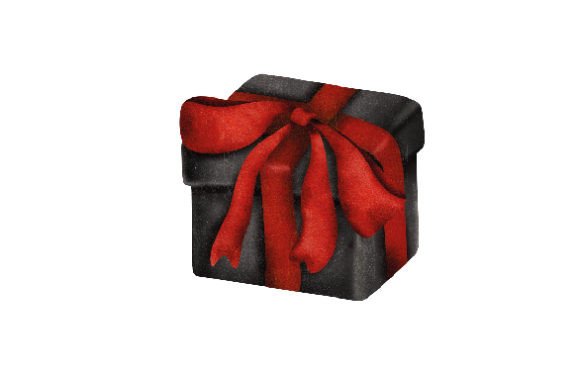
Spooky Christmas Gift: A Watercolor Twist on Holiday Embroidery
The First Impression: Unconventional Holiday Charm
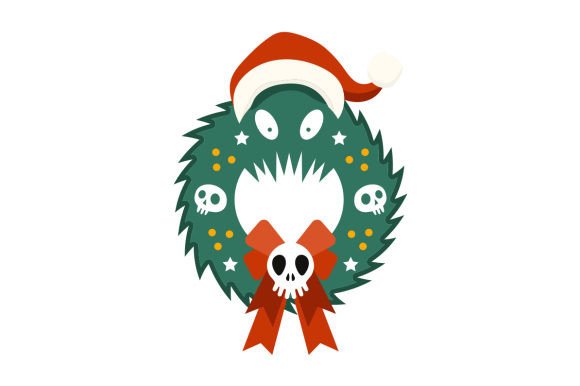
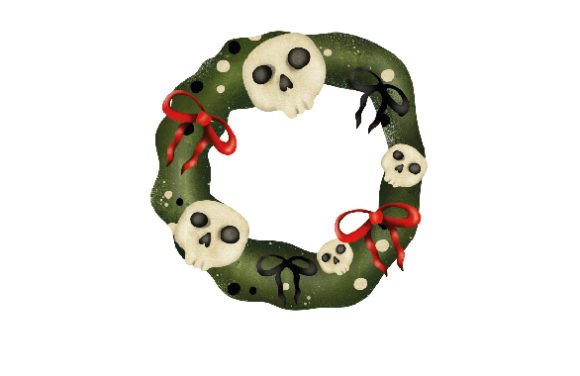
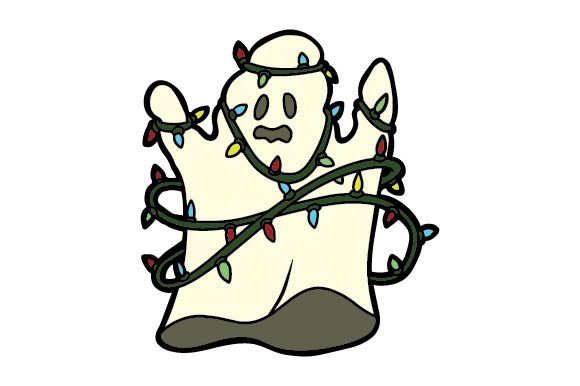
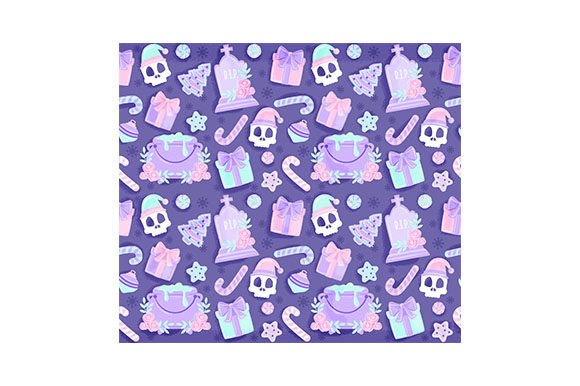
When you open the Spooky Christmas Gift, Watercolor embroidery file, the immediate feeling is one of playful, artistic rebellion. This isn’t your standard holly-and-ivy motif. The watercolor aesthetic softens the traditionally spooky elements, creating a design that feels whimsical rather than frightening. It has a distinct visual personality that blends holiday cheer with a gentle, quirky edge. This mood is its greatest asset for a certain niche of customers—those who appreciate a more personalized, offbeat take on Christmas crafts.
The layout and detail level suggest it’s a design meant to be a focal point. The shapes aren’t overly dense, which is a good sign for stitch clarity and manageable hoop size requirements. It feels destined for projects where the design itself is the gift, the statement, the center of attention on a handmade product.
Where This Design Finds Its Perfect Home
In my practical workflow, evaluating a design means imagining it stitched out on real items. For Spooky Christmas Gift, Watercolor, I immediately pictured it on a cozy, heather-gray sweatshirt. The watercolor style would translate beautifully into soft fill stitches, creating a custom apparel piece that’s perfect for a holiday gift with personality. It would also be stunning on a canvas tote bag—the kind of small shop product that stands out at a craft fair.
Given its theme, I’d also lean towards using it for personalized gifts like pillow covers or tea towels for someone who loves a touch of Halloween lingering into December. The design’s charm could elevate a simple kitchen towel into a boutique-quality holiday embroidery item. For baby embroidery, on a nursery blanket or a soft sweater, the softened “spooky” elements become cute and gentle, making it a unique choice for a festive infant outfit.
The Commercial Appeal for Makers and Sellers
For Etsy sellers and creative entrepreneurs, this design offers a ready-made design asset to create a whole line of merchandise. You could build a coordinated collection: the sweatshirt, the tote, an embroidered patch, and a decorative pillow. Using it in printable mockups for your digital store showcases its versatility. The “watercolor” aspect adds a perceived product value; it looks artistic and carefully crafted, which boosts customer trust in your handmade presentation. It’s a design that tells a story, which is gold for buyer engagement.
Considerations for Successful Stitching
While the design feels forgiving due to its watercolor style, a professional designer knows to look for potential pitfalls. The stitch density appears moderate, but you should always test the design on scrap fabric first. This is crucial for any machine embroidery design.
Pay close attention to any smaller details or lettering within “Spooky Christmas Gift, Watercolor.” On textured fabrics like some sweatshirt materials, or on stretchy fabric, fine details can lose definition. A good stabilizer choice is non-negotiable here. Also, consider thread color contrast. The watercolor effect likely relies on softer color transitions. On dark fabric, you may need to adjust your thread palette to keep that soft, luminous look. Conversely, stitching it on a light background might require slightly darker threads to maintain the design’s visibility.
Navigating Tricky Surfaces and Projects
I’d use this design carefully on small hoop sizes if the design is large—compressing it too much could muddle the watercolor aesthetic. On curved surfaces like caps, the design’s layout needs to be assessed; some elements might distort if not properly adapted. For items that need frequent washing, like baby clothes or kitchen towels, ensure your stitching is secure and your threads are quality to maintain the design’s integrity over time.
Turning the File Into a Professional Finished Product
The provided formats—SVG, Transparent PNG, EPS, DXF—offer flexibility. For digital embroidery file users, the SVG is typically key. But remember, these formats are your raw materials. Your craftsmanship turns them into a sellable item. Before committing to a batch of commercial embroidery projects, do a real stitch-out. Check hoop size requirements from your machine software. Inspect small details after stitching to ensure they’re clean.
A practical step I always take: test it in black and white mockups to see how the silhouette holds up, and compare light and dark fabric backgrounds digitally before hooping any material. This saves time and thread.
Finally, a note on brand consistency: If you run a craft business with a specific aesthetic, “Spooky Christmas Gift, Watercolor” could be a perfect seasonal addition if your brand is playful, artistic, or unconventional. Its giftability is high for the right recipient, and its recognition as a unique holiday design can make your products memorable.
Your Final Pre-Stitch Checklist
- Run a test stitch on a fabric similar to your final project fabric.
- Evaluate thread choices for both light and dark background applications.
- Confirm the design works well at your intended hoop size for the item (e.g., 5x7 for a tote bag pocket).
- Assess the design’s suitability for your specific project: is it for personal use or for selling finished items?
- Confirm licensing before selling any finished products or using the file as part of your own digital products. The product description provided does not specify terms, so this is a vital step.
- Think about the end-user: will the embroidered patch or custom apparel look professional and clean after stitching? Your attention to these details defines your success.
In my view, Spooky Christmas Gift, Watercolor is a design with strong character. It’s not for every project or every customer, but for the right one—a quirky holiday gift, a boutique’s featured winter sweatshirt, a personalized pillow for a horror-movie-loving friend—it delivers a unique, artistically stitched result that feels both festive and thoughtfully crafted.